

Bankruptcy, Your Home and Your Mortgage
How Bankruptcy Can Help with a Second Mortgage or a Home that is “Underwater”
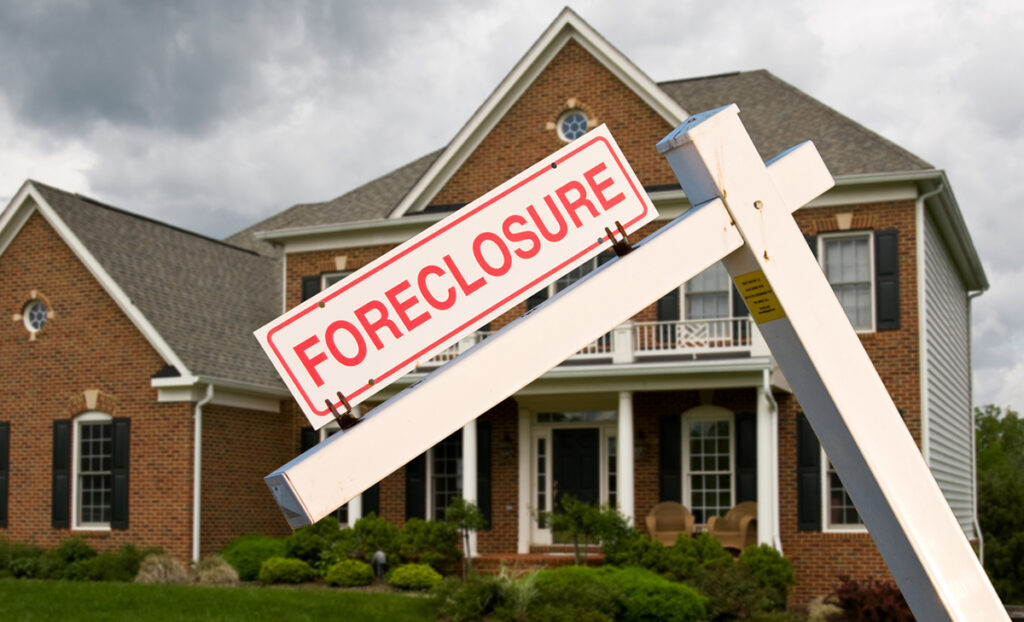
Many of our clients are facing home foreclosure or financial situations spiraling out of control. The bankruptcy attorneys at Anderson & Associates can help you evaluate your present financial situation and offer timely advice to help you manage or eliminate your debt while keeping your personal assets like your home and car.
Bankruptcy can SAVE your Home.
If you are facing a home foreclosure or have received notice of a sheriff sale, call our office to learn about your options for protection under the bankruptcy code. The first consultation is free. We are committed to helping you resolve your financial problems and protecting your home. Contact us now to get started.


Filing Chapter 7 or Chapter 13 Consumer Bankruptcy Can Help
As soon as you file bankruptcy, the “automatic stay” goes into effect, meaning no collection efforts (including a sheriff sale, repossession, collection calls) must stop immediately. We have used bankruptcy law to stop foreclosure proceedings and sheriff sales, in some cases, just days before our clients were about to lose their homes.
How Chapter 7 Consumer Bankruptcy Can Help With Your Foreclosure
There is an income limit to qualify for Chapter 7, but assuming you meet all requirements, Chapter 7 can stop foreclosure proceedings and give you time to work with your mortgage lender. Many clients who filed Chapter 7 found that once their credit card debt and medical debt had been eliminated they were in a much better position to make their monthly mortgage payments.
If you owe the bank money following a home foreclosure, filing for bankruptcy can eliminate that remaining amount owed on your mortgage.
How Chapter 13 Bankruptcy can help with a Home Foreclosure
Where Chapter 7 is meant to eliminate unsecured debt, Chapter 13 is meant to re-organize high-interest debt. There are some cases where a Chapter 13 will allow you to re-negotiate or even eliminate a second mortgage. Chapter 13 will also stop collection activity like foreclosure and sheriff sales and give you time to work with your lender.

Common Questions About Bankruptcy and Foreclosure
Can bankruptcy stop foreclosure on my home in Minnesota?
Yes, filing for bankruptcy can stop many foreclosure proceedings through a legal protection called the automatic stay. This protection generally takes effect when a bankruptcy petition is filed and temporarily prevents creditors from continuing most collection activities, including a scheduled foreclosure sale. However, exceptions apply, particularly if you’ve filed bankruptcy recently or a lender obtains permission from the court to proceed. Bankruptcy does not automatically guarantee that you can keep your home, but acting before the foreclosure sale may give you important options.
Can Chapter 13 bankruptcy help me catch up on missed mortgage payments?
Yes. Chapter 13 bankruptcy can allow eligible homeowners to spread overdue mortgage payments over a court-approved repayment plan, generally lasting three to five years. Instead of paying the entire overdue amount immediately, you may be able to make manageable payments toward the arrears while continuing to pay your regular mortgage. This can be especially helpful if you’ve recovered from a temporary financial setback but cannot afford to catch up all at once. To keep the home, you must be able to maintain the required payments and satisfy the terms of your Chapter 13 plan.
What happens if my house is scheduled for a sheriff's sale in Minnesota?
A sheriff’s sale is a major step in the Minnesota foreclosure process. If your home has been scheduled for sale, you should seek legal advice immediately rather than assuming you have plenty of time. Depending on your circumstances, filing bankruptcy before the sale may temporarily stop it and provide an opportunity to explore options for keeping the property. Once the sheriff’s sale has occurred, your options can become significantly more limited. Nicole Anderson can help you evaluate the foreclosure timeline and whether bankruptcy offers a practical way forward.
What is Minnesota's foreclosure redemption period?
In many Minnesota mortgage foreclosures, homeowners have a redemption period after the sheriff’s sale, commonly six months, although different periods may apply depending on the property and circumstances. During this time, you may have the right to remain in the home and reclaim ownership by paying the required redemption amount, which generally includes the foreclosure sale price plus applicable interest and costs. You may also be able to sell the home during this period. Redemption is different from simply catching up on missed mortgage payments, so understanding your deadline is essential.
Can I still save my home if the foreclosure sale has already happened?
Possibly, but the available options are usually more limited after a completed sheriff’s sale. Depending on the circumstances, you may still have redemption rights, an opportunity to refinance, or the ability to sell the property before the redemption period expires. Filing bankruptcy after the sale generally does not restore the right to catch up on mortgage arrears through a Chapter 13 repayment plan. If your home has already been sold at foreclosure, an attorney can help you understand your remaining rights and deadlines.
Is Chapter 7 or Chapter 13 better if I'm trying to keep my house?
Chapter 13 is often more useful for homeowners who are behind on mortgage payments because it may provide a structured way to catch up over time. Chapter 7 can eliminate many unsecured debts, such as credit card balances and medical bills, potentially making ongoing mortgage payments easier to manage. However, Chapter 7 generally does not provide a long-term repayment plan for overdue mortgage amounts, and the automatic stay may offer only temporary foreclosure relief. The better option depends on your income, home equity, mortgage status, and overall financial circumstances.
Can I keep my house if I owe more on my mortgage than it's worth?
Having an underwater mortgage does not automatically mean you must surrender your home in bankruptcy. Depending on your circumstances, you may be able to continue making mortgage payments and keep the property. Chapter 13 may also provide options for addressing certain junior mortgages or liens when the home’s value is insufficient to secure them, subject to specific legal requirements. The treatment of your mortgage depends on the type of loan, the property’s value, and your financial situation. Nicole can help you understand what bankruptcy may and may not accomplish.
How far behind on my mortgage do I have to be before I can file bankruptcy?
You do not have to miss a specific number of mortgage payments before becoming eligible to file bankruptcy. Some homeowners seek advice after missing their first payment, while others wait until foreclosure proceedings have begun. Bankruptcy eligibility depends on more than your mortgage status, and filing is not always the best solution. However, addressing financial difficulties early generally gives you more options than waiting until a sheriff’s sale is imminent. A free consultation can help you determine whether bankruptcy makes sense for your situation.